
How Long Does Home Window Tint Last in Virginia’s Climate?
If you're thinking about tinting your home windows, one of the biggest questions you might have is: How long does window tint actually last—especially in Virginia’s unique climate? With our mix of humid summers, cold winters, and year-round UV exposure, durability matters. The good news is that high-quality residential tint can last many years when professionally installed and properly maintained. Here's a clear breakdown of what to expect.
Understanding Window Tint Lifespan
The lifespan of window film depends on several factors, including the quality of the film, the installation process, and the environment around your home. Standard films may last only a few years, while premium ceramic or dual-reflective films can last well over a decade.
High-quality films also resist fading, bubbling, and discoloration—common issues seen with low-grade products. This is why choosing the right film is just as important as choosing the right installer.
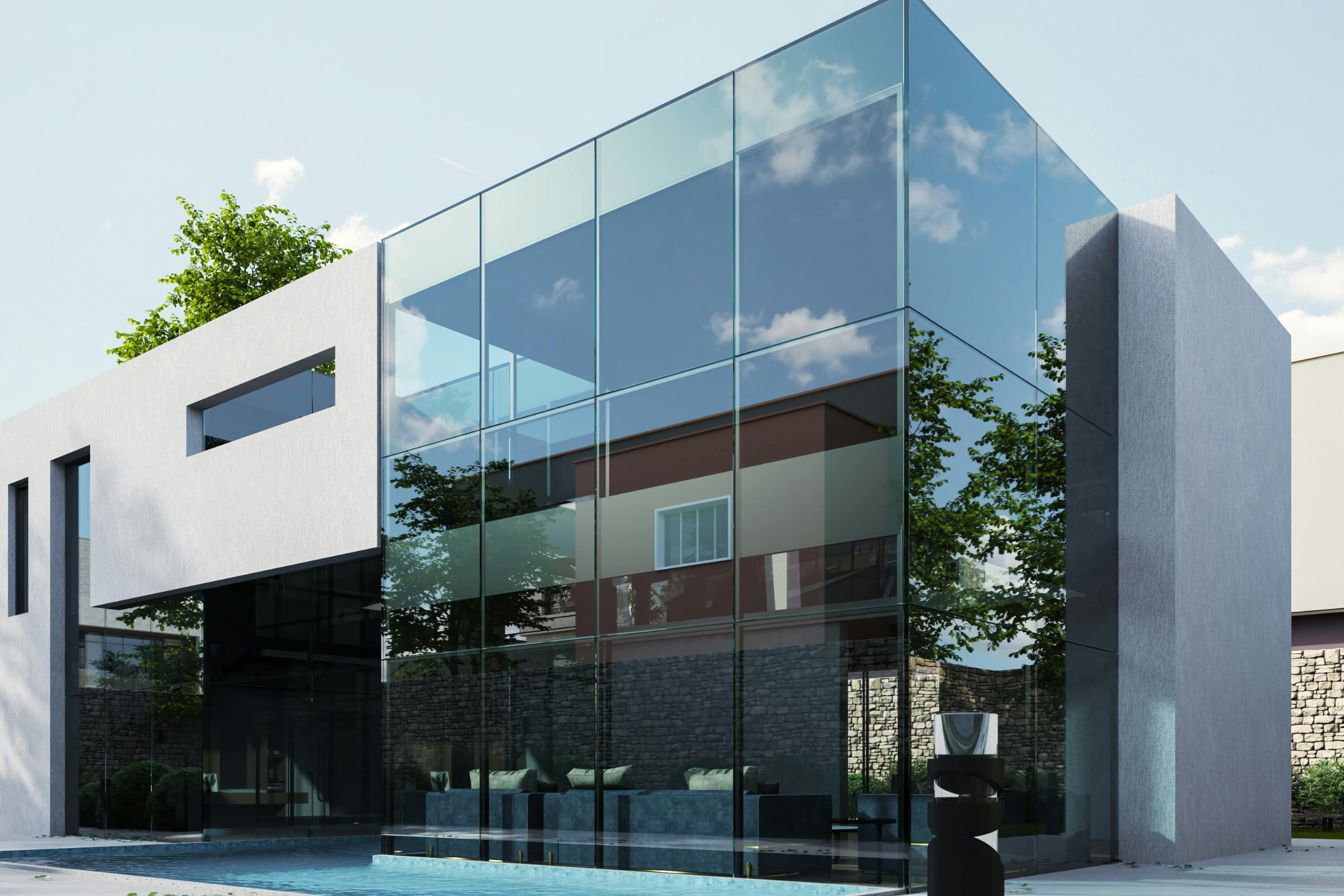
How Virginia’s Climate Impacts Tint Longevity
Virginia’s weather is anything but predictable. From blazing summer heat to brisk winters, the tint on your windows faces a lot of environmental stress.
Heat and Humidity
During hot, humid months, your windows absorb a lot of solar energy. Premium films are designed to handle this heat without peeling or bubbling.
UV Exposure Levels
Virginia receives strong UV exposure throughout the year. UV rays are one of the biggest threats to low-quality tint, often causing fading or color shifting. Luckily, modern ceramic and spectrally selective window films are engineered to resist UV breakdown.
Want long-lasting, high-performance tint for your Virginia home? Contact Nova Tint Pros today for a free quote and expert guidance!
Average Lifespan of Residential Window Tint
In most Virginia homes, high-quality window tint installed by professionals typically lasts:
10–15 years for premium ceramic or dual-reflective films
7–10 years for mid-grade films
3–5 years for basic, non-ceramic films
Modern films also come with manufacturer warranties that protect against bubbling, peeling, and discoloration.
Signs Your Tint May Need Replacing
You might notice:
Fading or turning purple
Edges lifting or peeling
A cloudy appearance that doesn’t go away
Bubbles forming between the film and glass
These are indications that your tint has reached the end of its lifespan.
How Homeowners Can Extend Tint Lifespan
To get the most from your investment, proper care is key:
Use ammonia-free cleaners
Avoid abrasive sponges or paper towels
Give the film time to fully cure after installation (usually a few days to a couple of weeks)
Keep sharp objects away from the windows
Simple maintenance goes a long way in protecting your tint.
When to Hire a Professional Installer
While DIY kits may be tempting, professional installation ensures the film adheres correctly, lasts longer, and performs as intended. A trained installer also understands how Virginia’s climate affects different types of film—something a big-box store can’t offer.
Final Thoughts
Residential window tint is a smart investment for improving comfort, reducing energy bills, and protecting your home from UV damage. In Virginia’s climate, high-quality tint can last a decade or more—especially when installed by experts who know how to match the right film to your home.
🔧 Ready to protect your home with long-lasting window tint? Contact Nova Tint Pros today—Virginia’s trusted residential window tint specialists!
